
Systems
Build a machine that lives.
Hell's Contractor is about flows, dependencies, and consequences. A road is useful only if it carries the right resource to the right place—and every efficient district attracts more residents, traffic, and trouble.

Soul logistics
From arrival to industry

Receive
Soul waves enter through the Soul Gate. Its intake makes location and road access the first strategic decision.

Transport
Carts move souls through the road network. Congestion and long routes reduce the city's real capacity.

Process
Work and Torment districts consume souls, create value, and feed the economy that pays for expansion.
Four resources
Power has more than one price
- Souls
- The physical flow entering, travelling through, and being processed by the city.
- Obols
- Your operating budget for construction, maintenance, and expansion.
- Hellfire
- The energy network. Production, capacity, and transmission all matter.
- Authority
- Political power used for policies, mandates, and control.

Zoning and growth
Plan the district; let the city build
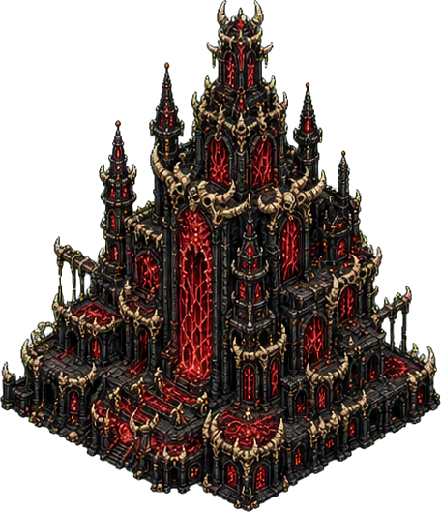
Brood, Work, Torment, and Pact zones develop automatically when access, demand, services, and ring requirements are met. Fixed lots appear as exact placement ghosts and are committed with one click; roads and genuinely free-form areas remain draggable.

Failure is a state
Crises bend the city; they do not erase it

Power loss
Disconnected or overloaded grids interrupt services and production until you repair the network.

Riot
Unmet needs and weak control can turn unrest into a district-scale emergency.

Soul Surge
A sudden intake spike rewards spare logistics capacity—and exposes brittle networks.
If the treasury collapses, receivership can keep the city playable under harsh restrictions. Recovery is part of the story.